The Biggest Lifestyle Trends Taking Over 2026
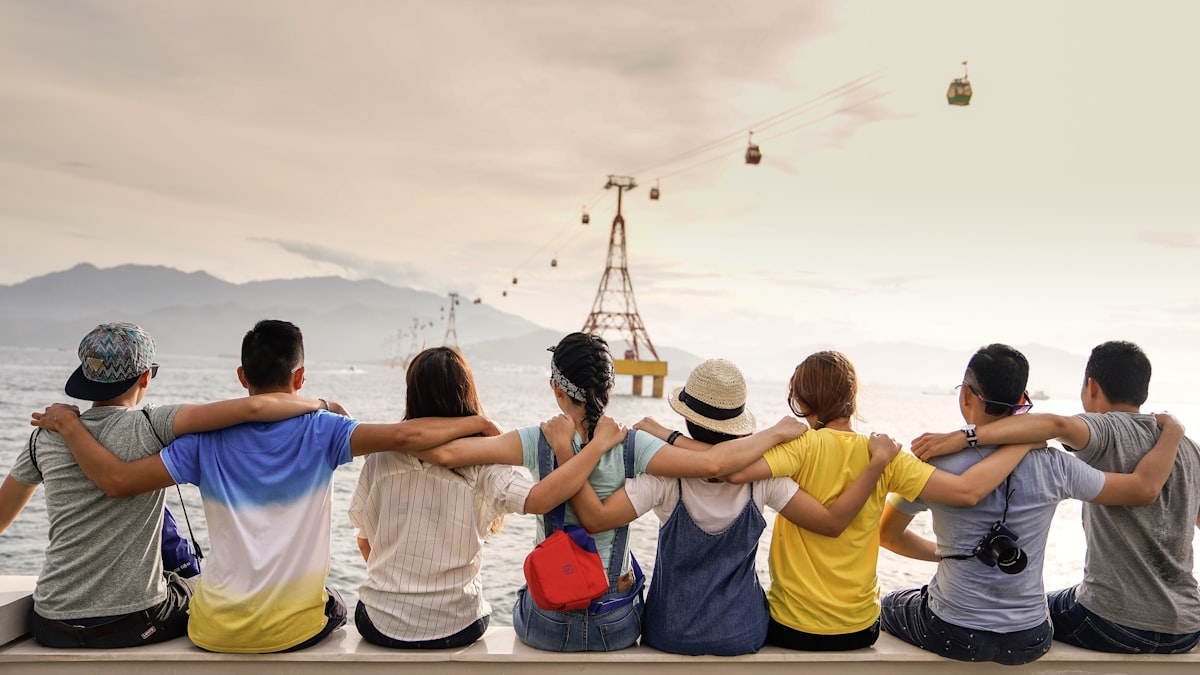
Something significant has shifted in the cultural mood of 2026. The relentless hustle culture of the early 2020s — optimise everything, quantify everything, perform everything — is giving way to something more measured, more intentional, and in many ways more interesting. People are rethinking the fundamentals: how they eat, how they rest, how they travel, how they spend their attention, and what they actually want their lives to feel like. The trends emerging from this cultural recalibration are not passing fads. They are signals of a deeper, structural shift in how we relate to technology, to our bodies, to each other, and to the planet.
According to VML’s Future 100 report — one of the most comprehensive annual trend studies available — 88% of people globally want experiences that feel meaningful, not merely entertaining, and are actively seeking lives that reflect purpose, connection, and genuine joy rather than the traditional markers of success. That number is the thesis behind almost every trend on this list. Here are the biggest lifestyle shifts taking over 2026 — and what they reveal about where culture is heading.
1. Brain Wealth: Investing in Your Cognitive Future
The conversation around mental wellbeing has evolved dramatically. Where previous years focused on mental health — managing anxiety, reducing stress, processing trauma — 2026 has introduced a more proactive and ambitious framing: brain wealth. Rather than simply maintaining cognitive function, people are now actively investing in optimising it — treating the brain as a long-term financial asset that requires deliberate, ongoing investment.
This trend is showing up across multiple categories simultaneously. Nootropics — supplements designed to enhance focus, memory, and cognitive performance — have moved from niche biohacking communities into mainstream wellness retail. Neurofeedback wearables that track brainwave activity and provide real-time cognitive performance data are finding an audience well beyond early adopters. “Brain-training” retreats that combine digital detox, sleep optimisation, and targeted cognitive exercises are emerging as a premium wellness category, attracting professionals who have realised that their cognitive capacity is their most valuable professional asset.
What is driving this shift is a combination of factors: the cognitive demands of an AI-accelerated workplace, growing awareness of neurodegenerative conditions and their risk factors, and a generation that has watched older relatives struggle with cognitive decline and is determined to take a different approach. Brain wealth is not about becoming smarter. It is about staying sharp, resilient, and mentally agile across decades — a long-term investment that younger generations are making earlier than any generation before them.
2. The Great Digital Unplugging
In a world saturated with artificial intelligence, algorithmic feeds, and always-on connectivity, the most coveted status symbol of 2026 is digital privilege — the ability to go offline without consequence. The “great unplugging” is not a rejection of technology per se. It is a pushback against the compulsory nature of digital participation and a reclaiming of attention as a finite, precious resource.
This is manifesting in several connected ways. Analog hobbies — pottery, bookbinding, oil painting, gardening, bread-making, embroidery — are experiencing a genuine cultural renaissance, driven not by nostalgia but by the irreplaceable satisfaction of making something real with your hands in a world of increasingly virtual experience. Physical books are outselling their digital equivalents in several major markets for the first time in years. Vinyl records continue their seemingly inexhaustible commercial revival. Film photography has gone from ironic affectation to mainstream practice among younger consumers who have grown up entirely in the digital world and find its textures and imperfections deeply appealing.
More significantly, “digital-disconnect” experiences are becoming a premium wellness category in their own right. Retreats that confiscate phones on arrival, restaurants with no-screen policies, and membership clubs that prohibit device use are flourishing — positioning analogue presence not as a deprivation but as a luxury. The ability to be fully in a room, without a screen, has become genuinely aspirational in a way it never was before.
3. Slow Living and Intentional Rest
After years of productivity optimisation, biohacking, and the relentless pressure to do more with every hour, 2026 is witnessing a profound cultural pivot toward slow living. This is not laziness. It is a deliberate, values-driven choice to prioritise depth over breadth, presence over performance, and meaning over metrics. As one cultural analyst put it: slowness is no longer a luxury — it is a boundary.
The slow living movement is reshaping daily routines across demographics. Morning rituals are getting longer and more deliberate — coffee prepared by hand rather than from a machine, journalling before screens, slow walks without headphones. Evening wind-downs are being treated with the same seriousness as work schedules. Sleep is no longer the first thing sacrificed when life gets busy — it has been rehabilitated as a performance tool, a health necessity, and a marker of self-respect. The global wellness industry’s growing focus on sleep optimisation — premium mattresses, white noise machines, sleep tracking wearables, magnesium supplements — reflects how commercially significant this shift has become.
In the workplace, “slow productivity” — the philosophy that deep, focused work on fewer things produces better results than frantic multitasking on many — is gaining traction among knowledge workers who have reached the limits of the hustle model. Companies offering four-day work weeks, asynchronous communication policies, and genuine boundaries around after-hours contact are finding it easier to attract and retain talent than those still running on the assumption that more hours equals more output.
4. Rugged Luxury: Where High Performance Meets High Design
One of the most commercially interesting lifestyle trends of 2026 is the convergence of premium design and practical performance in a category that industry analysts are calling rugged luxury. In response to economic and climate uncertainty, consumers are gravitating toward products that are simultaneously beautiful and genuinely functional — items that hold their value, serve multiple purposes, and don’t require choosing between aesthetics and durability.
In fashion, this translates to investment outerwear that performs in serious weather conditions while remaining runway-appropriate, modular bags with built-in organisational systems, and accessories that combine protection with craftsmanship. In outdoor gear, brands are infusing trail and camping products with elevated design sensibilities — the rise of glamping as a mainstream leisure category is a direct expression of the same impulse, as consumers seek immersion in nature without sacrificing comfort or visual refinement. WGSN’s director of sports and outdoor described the trend as “infusing outdoor gear with high-performance durability and elevated design, enabling people to enjoy nature without sacrificing home comforts.”
The deeper driver is a shift in how people think about value. In an era of financial pressure and heightened environmental awareness, the disposable fashion model is losing cultural legitimacy. Consumers are making fewer, better purchases — choosing items they expect to use and love for years rather than items that are cheap, fast, and replaceable. This “buy less, buy better” philosophy is simultaneously a sustainability position and a financial one, and it is reshaping the premium consumer market at a structural level.
5. Bio-Harmony: Eating With Your Biology, Not Against It
The nutrition conversation in 2026 has moved definitively away from universal diet prescriptions — keto for everyone, intermittent fasting for all — toward a highly personalised approach that respects individual biological variation. Bio-harmony is the emerging framework: eating patterns aligned with your specific circadian rhythm, metabolic markers, gut microbiome composition, and hormonal profile rather than any one-size-fits-all dietary ideology.
Consumer-facing continuous glucose monitors — devices that track blood sugar in real time — have moved from clinical use into the wellness mainstream, allowing individuals to observe how specific foods affect their energy and metabolic response without the need for a medical diagnosis. Personalised nutrition platforms that combine microbiome testing, wearable data, and AI analysis to generate bespoke dietary recommendations are attracting significant investment and rapidly growing user bases.
The broader cultural backdrop is a growing reckoning with ultra-processed foods. Public health awareness of the relationship between food quality, gut health, chronic inflammation, and long-term wellbeing has reached a tipping point — driven partly by high-profile advocates, partly by a wave of accessible scientific communication, and partly by a generation that is paying close attention to how food affects their daily energy, mood, and cognitive performance. Anti-inflammatory ingredients, adaptogenic herbs, protein timing strategies, and personalised fibre blends are moving from specialist health stores into mainstream retail, reflecting a genuinely mass-market shift in nutritional awareness.
6. Slow Travel and the Slowcationer
The travel industry is experiencing one of its most significant value shifts in decades. The post-pandemic rush to see everything — the bucket-list tourism boom that drove overcrowding in iconic destinations and generated significant environmental and social criticism — is giving way to a more considered approach that industry observers are calling slow travel or “slowcationing.”
Slowcationers stay longer in fewer places, engage actively with local communities, prioritise sustainability across every dimension of the journey — from transport choices to accommodation selection to local economic impact — and deliberately choose off-peak timing to avoid contributing to overtourism in fragile destinations. The goal is not to tick experiences off a list but to genuinely inhabit a place for long enough to understand it. Remote work has made this model dramatically more accessible to a wider range of travellers — the ability to work from anywhere for extended periods has transformed the economics of slow travel for a significant and growing proportion of the workforce.
Climate consciousness is a central driver of this shift. Younger travellers in particular are increasingly deliberate about the carbon footprint of their choices — opting for rail over air travel where practicable, choosing accommodation with genuine sustainability credentials over greenwashed marketing, and prioritising destinations reachable without long-haul flights. This is not universally affordable or accessible, but as a direction of cultural travel — a reflection of shifting values — it is significant and growing.
7. The Sober Curious Movement Goes Luxury
The sober-curious movement — which began as a modest cultural conversation about the relationship between alcohol and wellbeing — has evolved in 2026 into something far more commercially significant. Non-alcoholic beverages have moved from a niche category into one of the fastest-growing segments in the drinks industry, with premium alcohol-free spirits, wines, and beers attracting serious investment and shelf space previously unimaginable for the category.
More striking is the emergence of sober members’ clubs — luxury social venues in both urban and rural settings that offer all the exclusivity, quality of service, and sense of community traditionally associated with private members’ clubs, without the centrality of alcohol. These spaces are attracting a growing membership of high-achieving professionals who have concluded that the relationship between alcohol and elite social networking is neither necessary nor desirable — and who find the clarity, energy, and connection available in alcohol-free environments genuinely superior to the alternative.
The cultural shift goes deeper than individual consumer choices. The social permission structure around not drinking has changed fundamentally — particularly among younger adults. Where previous generations felt social pressure to participate in alcohol-centred socialising, today’s under-35 demographic is far more likely to treat alcohol consumption as a personal choice rather than a social default. Brands that have repositioned around moments of genuine connection and pleasure — rather than alcohol specifically — are capturing the commercial value of this shift.
8. Wellness Tech: The Body as Data
The intersection of technology and personal wellness has produced one of the most commercially dynamic lifestyle categories in 2026. A new generation of wearable devices — more sophisticated, more accurate, and increasingly affordable — is giving individuals unprecedented visibility into their physiological data: sleep quality and architecture, heart rate variability, blood oxygen levels, stress markers, exercise recovery, and more. The Oura Ring, the WHOOP strap, the Apple Watch Series 10, and a growing field of competitors are normalising the idea of the body as a data-generating system whose signals deserve attention and response.
The most significant development in this space is the integration of AI analysis into wearable platforms. Rather than presenting users with raw data that requires expertise to interpret, AI-powered wellness platforms are now translating physiological data into actionable, personalised recommendations — adjusting training loads, flagging early signs of illness or overtraining, suggesting sleep and nutrition optimisations based on individual patterns observed over months of continuous monitoring. This represents a meaningful democratisation of the kind of individualised performance monitoring previously available only to professional athletes with dedicated sports science support.
Cold therapy and heat therapy — cold plunges, cryotherapy, infrared saunas, traditional saunas, and hammams — have also entered the mainstream wellness toolkit, shifting from niche biohacker territory to established practice in premium gyms, spas, and increasingly in private homes. The physiological benefits of thermotherapy — stress hormone modulation, cardiovascular conditioning, improved sleep, and enhanced recovery — have sufficient research backing to support their commercial momentum, and the ritual dimension of these practices aligns powerfully with the broader slow living and intentional self-care movements.
9. Guardian Design: Products That Protect and Reassure
In a world that feels, for many people, increasingly precarious — economically, politically, climatically — design is responding with a new emotional register. WGSN has identified guardian design as one of the defining product trends of 2026: a shift across fashion, technology, and consumer goods toward objects that make users feel protected, organised, and in control. As one analyst put it, products in 2026 are increasingly functioning as emotional support systems.
In fashion, this manifests as crossbody bags with integrated phone cases and anti-theft closures, RFID-blocking accessories, and clothing designed around ease of movement, security, and practical functionality without sacrificing aesthetics. In technology, it shows up as privacy-focused devices, offline-capable tools, and products designed to reduce rather than amplify the anxiety that always-connected living generates. In home design, it appears as cocooning environments — deeply personal, comfort-oriented spaces designed to provide a genuine sense of refuge from an overwhelming world.
The guardian design trend is also appearing in the form of what might be called “portable value” — gold jewellery purchased partly for its function as a tangible, portable asset in economically uncertain times, and investment goods chosen explicitly for their durability and resale value. The distinction between fashion and financial planning is blurring in ways that would have seemed peculiar a decade ago.
10. The Experience Economy Deepens
The shift from material consumption to experience consumption has been a documented trend for more than a decade. In 2026, it deepens and matures in significant ways. The experiences people are seeking are no longer simply enjoyable — they are transformative. VML’s research finds that 88% of consumers globally want experiences that feel meaningful rather than merely entertaining, and that the appetite for moments that inspire genuine awe, wonder, or a renewed sense of perspective has never been stronger.
This is reshaping the hospitality, travel, retail, and entertainment industries simultaneously. Retail spaces are evolving into what designers are calling “fourth spaces” — environments that invite lingering, discovery, and genuine human connection rather than simply transactional purchasing. Stores hosting running clubs, tasting events, craft workshops, and community gatherings are outperforming those that offer only a curated selection of products. The experience is the product — and the community formed around it is the loyalty mechanism.
Fitness is experiencing a similar transformation. Hyrox — the functional fitness competition format that combines running and strength exercises — has gone from European phenomenon to global movement in the space of three years, driven by the combination of community, measurable progress, and participatory event culture that distinguishes it from traditional gym training. The appeal is not merely the workout. It is the belonging, the shared challenge, and the sense of identity that comes with it.
The Common Thread
Look across all of these trends and a clear common thread emerges. The lifestyle of 2026 is being built in deliberate opposition to excess — the excess of information, stimulation, consumption, speed, and performance that characterised the years immediately before it. What people are reaching for, across income levels, demographics, and geographies, is something older and simpler: presence, meaning, health, and genuine human connection.
The most important lifestyle shift of 2026 is not any individual trend on this list. It is the underlying orientation that connects them all: the growing conviction that a good life is not the most optimised life, the most productive life, or the most documented life — but the most genuinely lived one. That shift is not temporary. It is foundational. And its implications for how we work, how we consume, how we relate, and how we build businesses will continue to unfold for years to come.