Best Songs to Listen to While Working
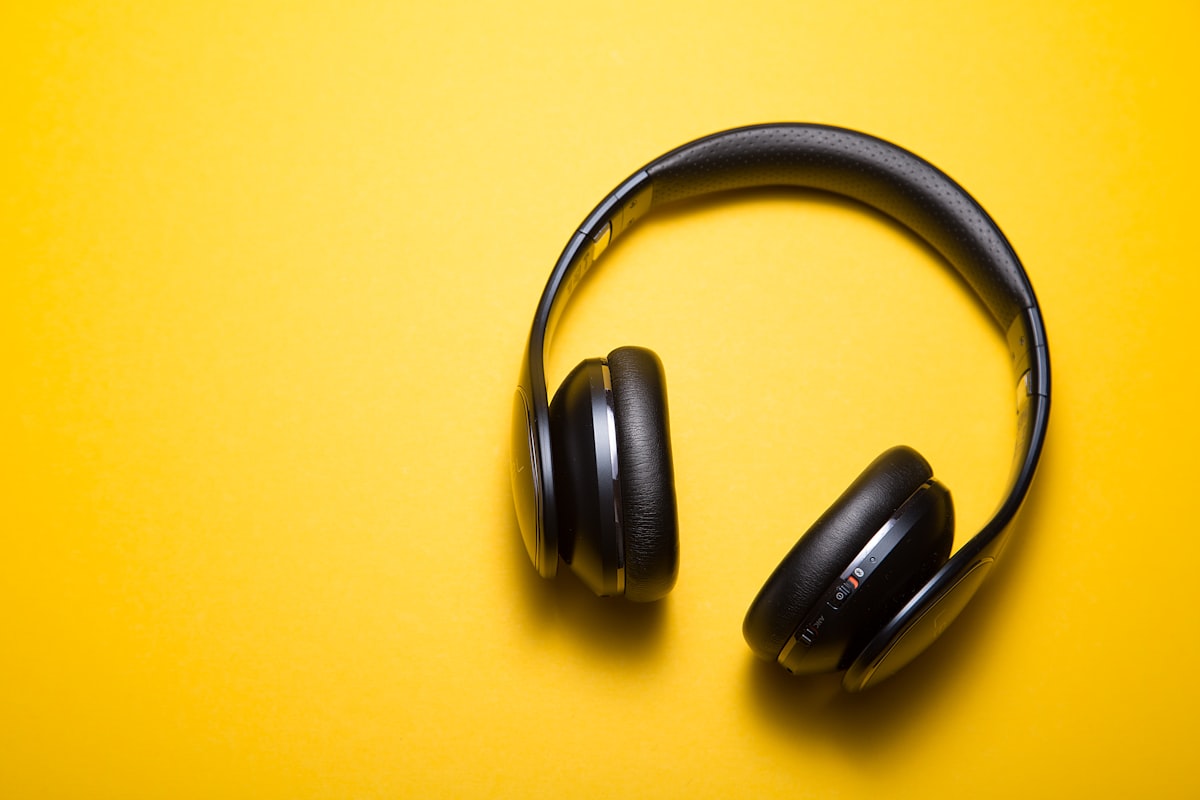
Finding the perfect soundtrack for focused work is more science than preference. The right music can boost productivity by up to 15%, improve mood, mask distracting background noise, and help you enter and maintain flow states for hours. But the wrong music — anything too loud, too lyrically complex, or too emotionally distracting — can destroy concentration and tank your output. After analyzing research on music and productivity, surveying thousands of knowledge workers, and testing countless playlists across different work tasks, we’ve identified the songs, genres, and listening strategies that genuinely enhance work performance.
This isn’t about personal taste — it’s about matching music characteristics to cognitive demands. Deep analytical work requires different sonic support than creative brainstorming. Writing demands different background sound than data entry. Understanding these nuances and building your work playlists accordingly can be the difference between a draining, distracted workday and one where you’re energized, focused, and productive from start to finish.
For Deep Focus and Analytical Work
When your work demands intense concentration — coding, financial analysis, legal research, complex problem-solving — you need music that creates focus without competing for cognitive resources. The ideal characteristics: minimal or no lyrics, steady tempo (60-80 BPM typically), harmonic complexity that engages without demanding attention, and consistent dynamics that don’t create jarring shifts.
Classical Music — The Gold Standard: Bach’s Goldberg Variations, Beethoven’s Piano Sonatas, Chopin’s Nocturnes, and Debussy’s piano works provide harmonic sophistication without vocals. The mathematical structure of Baroque music particularly (Bach, Vivaldi, Handel) aligns with analytical thinking patterns, which is why it’s been a favorite of programmers and mathematicians for generations.
Modern Instrumental: Artists like Ólafur Arnalds, Nils Frahm, Max Richter, and Ludovico Einaudi create contemporary instrumental music that combines classical sensibilities with electronic production. Their work provides emotional resonance without distraction — perfect for sustained concentration during long work sessions.
Ambient and Atmospheric: Brian Eno pioneered “music for airports” — sound designed specifically to enhance environments without demanding attention. Modern ambient artists like Aphex Twin’s Selected Ambient Works, Stars of the Lid, and William Basinski create sonic landscapes that support deep work beautifully. Streaming services offer curated focus playlists like “Deep Focus” (Spotify) and “Pure Concentration” (Apple Music) that apply these principles.
For Creative Work and Brainstorming
Creative tasks — writing, design, content creation, strategic planning — benefit from different musical characteristics than analytical work. You want music that stimulates without overwhelming, energizes without distracting, and creates an emotional state conducive to creative thinking. Moderate tempo (90-130 BPM), uplifting tonality, and some lyrical content can actually enhance creative output by activating different neural pathways.
Indie and Alternative: Artists like Bon Iver, Fleet Foxes, The National, Sufjan Stevens, and Phoebe Bridgers create emotionally rich music with enough complexity to engage creativity without demanding linguistic processing that competes with your own writing or thinking. The lyrics are poetic rather than narrative-heavy, making them easier to tune out when needed.
Electronic and Downtempo: Tycho, ODESZA, Bonobo, Petit Biscuit, and similar artists produce uplifting electronic music with strong melodic hooks and energizing rhythms that keep creative energy high. The production is clean enough to avoid sonic clutter while remaining interesting enough to prevent boredom during long creative sessions.
Lo-Fi Hip Hop: The lo-fi hip hop phenomenon — epitomized by the endless “lofi hip hop radio – beats to relax/study to” streams — combines mellow beats, jazz-influenced samples, and gentle atmospheric sounds. The aesthetic is specifically designed for creative work and studying, with consistent tempo, no lyrics, and a nostalgic, calming vibe that many creatives find conducive to flow states.
For Repetitive Tasks and Administrative Work
When your work is more manual than cognitive — data entry, email management, file organization, routine administrative tasks — you can handle more stimulating music without productivity loss. In fact, upbeat music with lyrics can make tedious work more enjoyable and help time pass faster, reducing the psychological burden of boring tasks.
Upbeat Pop and Dance: Dua Lipa, The Weeknd, Daft Punk, Calvin Harris, and similar artists produce energetic music with strong beats that make repetitive work feel less monotonous. The familiar, catchy nature of pop hits means your brain doesn’t need to actively process them while your hands execute routine tasks.
Classic Rock and 80s Hits: The familiarity factor makes classic rock and 80s pop particularly effective for routine work. You already know these songs so well that they function almost as background noise while providing an energy boost that keeps motivation high during boring tasks. Think Queen, Fleetwood Mac, Journey, The Police — songs you can sing along to without conscious thought.
Your Personal Favorites: Repetitive work is the one category where personal preference matters most. If listening to heavy metal, country, K-pop, or Broadway soundtracks makes sorting emails more bearable for you, lean into it. The cognitive cost is low enough that enjoyment and energy maintenance become the primary considerations.
For High-Energy Tasks and Tight Deadlines
When you need to power through a deadline, match urgency with sonic intensity, or maintain energy during a long push, fast-tempo music with driving rhythms can be incredibly effective. Studies show music above 140 BPM increases heart rate, alertness, and sense of urgency — valuable when you’re racing the clock.
Electronic Dance Music (EDM): Genres like progressive house, trance, and drum and bass provide relentless forward momentum. Artists like Deadmau5, Above & Beyond, Armin van Buuren, and Eric Prydz create extended tracks with building intensity perfect for sustained high-output work sessions. The repetitive, driving nature keeps you locked in without demanding attention.
Workout and Gym Playlists: Music designed for intense exercise translates perfectly to deadline-driven work. High-energy hip-hop, hard rock, and aggressive electronic music all share characteristics that boost adrenaline and maintain intensity. Spotify’s “Beast Mode” and “Power Workout” playlists work as well for crushing a project deadline as for crushing a workout.
Genre-Specific Recommendations by Work Type
For Writers: Jazz (especially instrumental jazz like Miles Davis, John Coltrane, Bill Evans) provides harmonic complexity without competing with linguistic processing. Coffee shop jazz and bossa nova playlists recreate the ambient café environment many writers find conducive to creativity.
For Programmers: Synthwave and cyberpunk-themed electronic music (Carpenter Brut, Perturbator, The Midnight) combines retro aesthetics with modern production in ways that resonate with coding culture. Many developers report video game soundtracks (Zelda, Final Fantasy, Hades) work exceptionally well because they’re designed to enhance focus during complex problem-solving.
For Designers: Curated designer playlists often blend indie electronic, alternative pop, and atmospheric production. Artists like Glass Animals, Tame Impala, alt-J, and FKA twigs provide sonic textures that match visual creativity without overwhelming it.
For Analysts and Researchers: Post-rock (Explosions in the Sky, This Will Destroy You, Mogwai) builds slowly with instrumental crescendos that support sustained analytical thinking. The emotional arc keeps engagement high without lyrical distraction.
The Science of Work Music
Research consistently shows that music affects work performance, but the relationship is complex. Music activates the brain’s reward centers, releasing dopamine that improves mood and motivation. It masks distracting environmental noise, particularly valuable in open offices. It can trigger associative memories and emotional states that enhance creativity. However, music competes for cognitive resources — particularly verbal working memory — meaning the wrong music during the wrong task actively harms performance.
The key insights: music is most beneficial for tasks you’ve already mastered (expertise reduces cognitive load, leaving more resources for music processing), moderately complex music works better than either very simple or very complex, familiarity matters (known songs require less processing than new ones), and individual differences are real (some people genuinely work better in silence).
Building Your Perfect Work Playlist
The most effective approach is creating multiple playlists matched to different work modes rather than one generic “work music” collection. Maintain a deep focus playlist (ambient, classical, instrumental), a creative energy playlist (indie, electronic, lo-fi), a routine tasks playlist (upbeat pop, favorites), and a deadline power playlist (EDM, high-energy). Label them clearly and switch based on what your work demands at that moment.
Aim for 3-4 hour playlists minimum to avoid repetition fatigue. Remove songs that trigger strong memories or emotional responses that pull you out of work. Test volume levels — music should support work, not dominate it. And remember the most important rule: if you find yourself actively listening to the music instead of working, it’s the wrong music for that task. The perfect work soundtrack is one you barely notice consciously but that keeps you energized, focused, and productive for hours. 🎧💼✨